The Biotech Fundraising Playbook | Part 1 of 3
Biotech companies face a unique fundraising challenge. They may have groundbreaking science, strong intellectual property and years of research behind them, yet still struggle to communicate their investment opportunity to audiences outside the industry.
The science matters enormously. But so does the ability to tell a compelling, credible story about what that science could achieve.
At Crowdfund Suite, we recently studied three life sciences campaigns on Wefunder as part of our success modelling work for a biotech client: Rejuvenate Bio, Siren Biotechnology and Sunstone Health.
Our objective wasn’t simply to compare how much they raised. We wanted to understand how they presented complex opportunities, built investor confidence and maintained engagement throughout their campaigns.
Three lessons stood out.
1. Lead with the Outcome Before Diving into the Science.
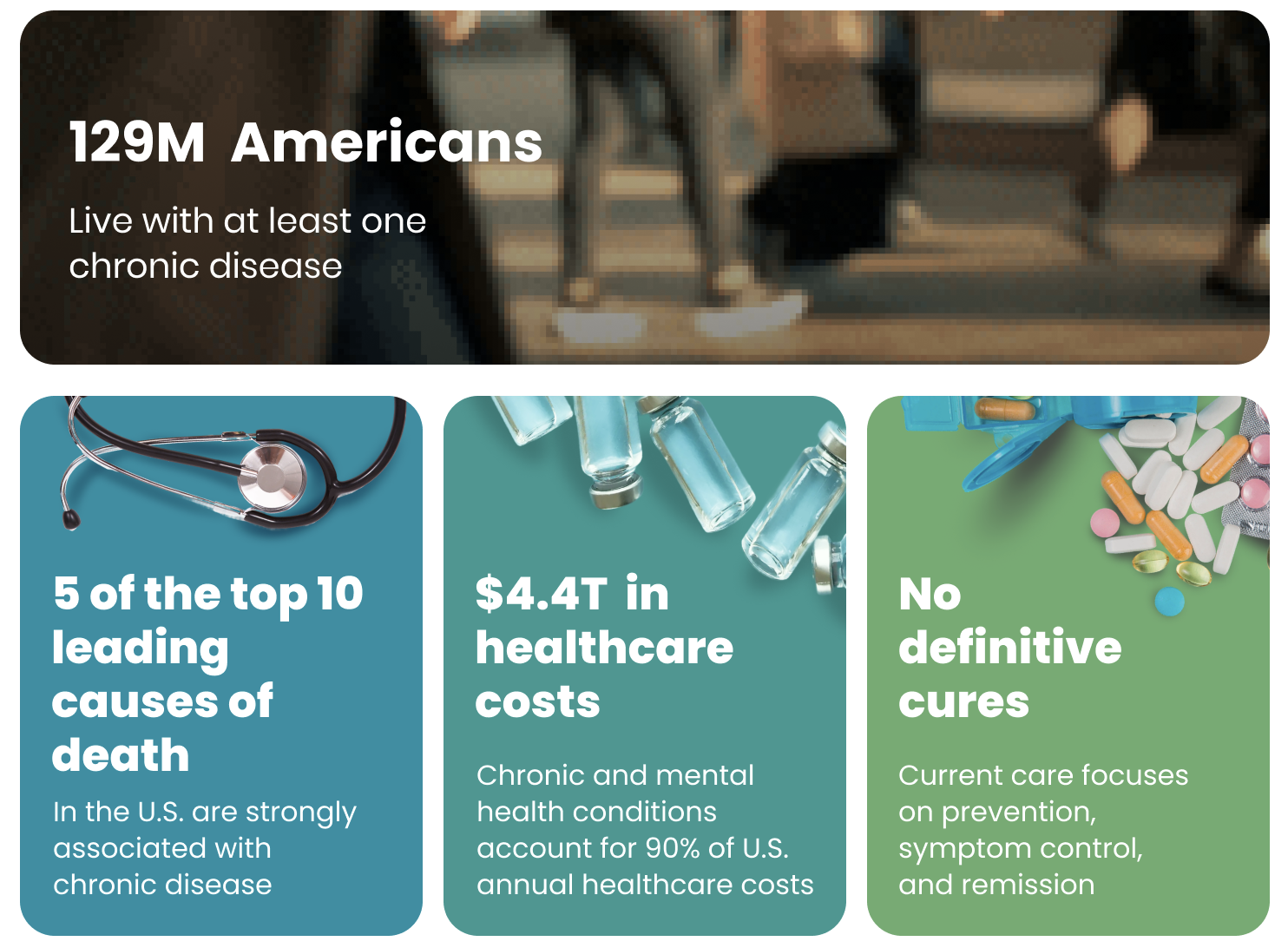
Rejuvenate Bio offers a useful example.
As of today, their fundraising campaign has raised over $10.5 million from more than 1,500 investors.
Rejuvenate’s investment narrative focused on a problem people immediately understand: age-related decline and chronic disease. Its gene therapy technology, scientific research and commercial relationships provided the evidence supporting that larger vision.
A biotech founder may naturally want to lead with the underlying mechanism, whether that’s gene editing, molecular engineering or a novel therapeutic platform. But a prospective investor first needs to understand the problem being addressed and the potential significance of the solution.
The strongest investment stories make that connection before introducing the technical details.
The takeaway: Explain the human or commercial outcome first. Then show investors the science supporting the opportunity, its development stage and the risks that remain.
2. Independent Validation Builds Credibility

Our analysis of Siren Biotechnology revealed another important pattern.
Siren’s Wefunder campaign was reported to have raised more than $4 million, attracting approximately 1,500 investors.
Siren’s investor materials combined its cancer immunotherapy research with recognizable third-party validation, including backing from established venture investors such as Founders Fund and preclinical research results.
For prospective investors, those elements help answer a critical question: What evidence supports this company’s claims beyond what the founders themselves are saying?
This is particularly important in biotechnology, where investors may not have the technical expertise to independently evaluate complex research.
Relevant validation can include regulatory designations, peer-reviewed studies, government-supported research, intellectual property, institutional collaborations and experienced scientific advisors.
But these credentials must be explained accurately. A regulatory designation is not the same as product approval, and promising preclinical results do not guarantee success in human trials.
The takeaway: Don’t simply list impressive credentials. Explain what each one validates, why it matters and what it does not yet establish.
3. Make the Evidence Tangible and the Business Opportunity Understandable
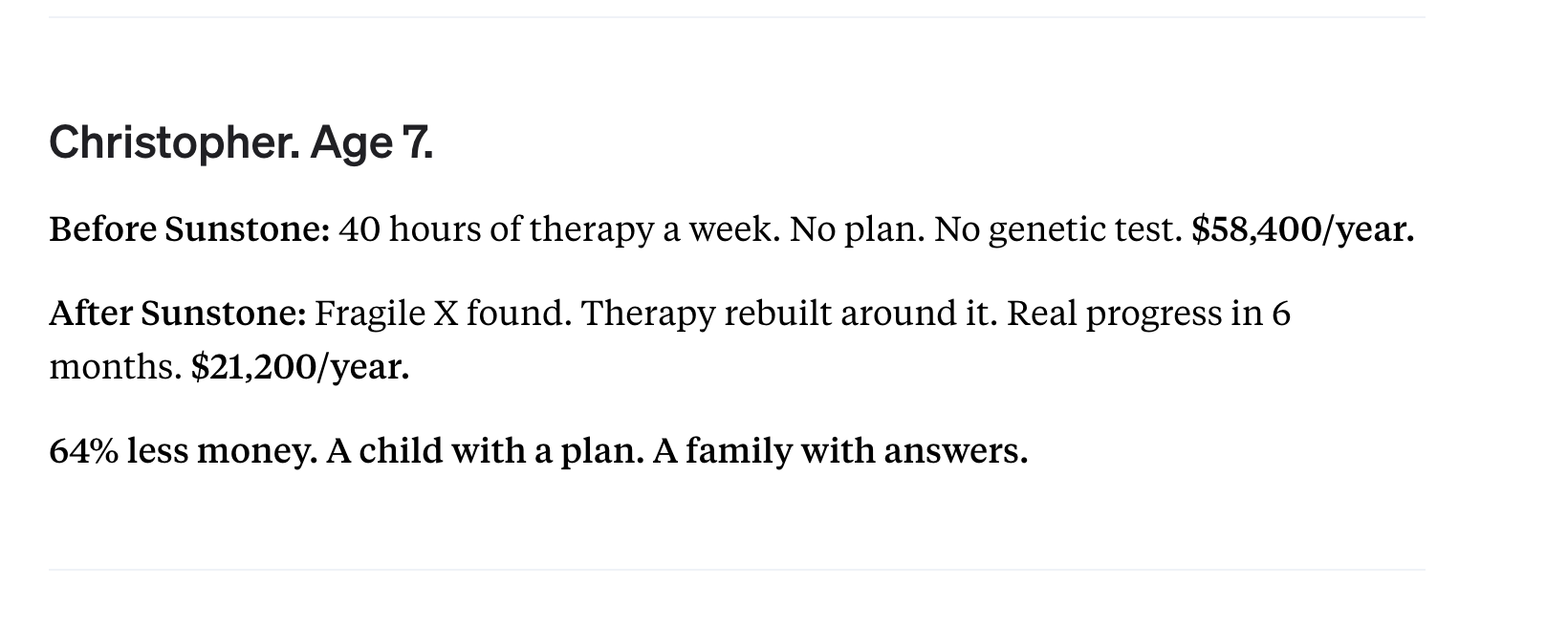
Our third example, Sunstone Health, demonstrated the value of translating complex technology into an understandable customer problem and business model.
Our research identified a campaign exceeding $4 million, with approximately 886 investors at the time reviewed.
Sunstone’s materials used a specific patient story to illustrate the potential impact of its technology. They also described a straightforward, outcome-based revenue model, making it easier for prospective investors to understand how the company intended to generate revenue.
This combination is especially valuable in life sciences.
A compelling scientific breakthrough may explain why a company exists. But investors also need to understand what comes next: the development milestones, commercialization pathway, funding requirements and potential sources of revenue.
For therapeutics companies, that path may involve clinical trials, regulatory approvals, licensing or partnerships. For diagnostics and medical technology companies, it may involve reimbursement, distribution or direct commercial sales.
The details differ, but the underlying requirement is the same: make the pathway from innovation to commercial value understandable without minimizing uncertainty.
The takeaway: Pair one memorable, well-supported proof point with a clear explanation of how the business intends to create value.
What these campaigns taught us
Across all three campaigns, we observed a consistent approach:
A clear investment narrative: The potential outcome was understandable before the technical explanation.
Credible supporting evidence: Third-party validation helped establish trust.
An accessible business case: Investors could understand the opportunity, its development stage and its intended path forward.
These characteristics do not guarantee fundraising success. The companies also differ in their technology, stage, investor networks, valuations and market opportunities.
But the patterns are valuable when evaluating how a new biotech company presents itself to prospective investors.
At Crowdfund Suite, this is why we begin campaign planning with success modelling: studying comparable raises, identifying relevant patterns and translating those findings into a strategy tailored to the client.
For a deeper look at that process, read our earlier article:
Before Launch: Why We Start Every Campaign With Success Modelling
A strong biotech raise starts well before launch
Successful fundraising requires more than a polished pitch deck or an investment page. It involves understanding the audience, organizing credible evidence, developing a clear investor narrative and preparing a strategy for sustained engagement.
For biotech founders considering Wefunder, these foundations are especially important.
Scientific innovation creates the opportunity. Effective capital strategy and investor communication help make that opportunity understandable.
Planning a biotech raise? Let’s talk.
Crowdfund Suite helps life sciences companies develop their capital strategy, engage investors and build fundraising momentum.
Contact us for a free fundraising strategy consultation.
Coming next in The Biotech Fundraising Playbook
Part 2 — The Reg D to Reg CF Strategy: Building Capital Before Building a Crowd.
We’ll examine how accredited-investor fundraising, existing capital commitments and a carefully structured financing strategy can help prepare a company for a broader community offering.
Research note: Campaign figures reflect historical observations in Crowdfund Suite’s August 2026 comparative modelling and require independent confirmation before publication. Historical fundraising outcomes are not indicative of future results. This article is educational and does not constitute investment or legal advice
